TFCC Injury Wrist: Symptoms, Causes, Treatment, Recovery & Exercises
Introduction
Pain on the little-finger side of your wrist can occur after a fall, sudden twisting movement, repetitive use, or gradual tissue changes. One possible cause is a triangular fibrocartilage complex (TFCC) injury.
The TFCC helps stabilize the wrist and supports forearm rotation and gripping. A TFCC injury can cause ulnar-sided wrist pain, clicking, weakness, and difficulty with certain movements.
However, these symptoms can also occur with other wrist conditions. Symptoms alone cannot confirm a TFCC tear, so persistent or significant wrist pain should be evaluated by a qualified healthcare professional.
What Is a TFCC Injury?
The triangular fibrocartilage complex (TFCC) is a group of cartilage and connective tissues on the ulnar, or little-finger, side of the wrist. It helps stabilize, support, and cushion the wrist and contributes to forearm rotation and gripping.
A TFCC injury can involve damage to one or more parts of this complex. Some injuries happen suddenly, while others develop gradually as the tissues become more vulnerable over time.
What Are the Symptoms of a TFCC Injury?
Common TFCC injury wrist symptoms include:
• Pain on the little-finger side of the wrist
• Pain during forearm rotation
• Clicking or popping
• Reduced grip strength
• Wrist weakness
• Tenderness
• Limited wrist movement
• Pain when gripping or lifting
• Discomfort when putting pressure on the hand
Symptoms can vary depending on the type and severity of the injury.
- Read more: TFCC Injury Wrist
Where Does a TFCC Injury Hurt?
TFCC-related pain is typically felt on the ulnar side of the wrist, close to the little finger.
You may notice pain when turning a key, opening a jar, using a screwdriver, lifting an object, turning your palm upward or downward, gripping firmly, or putting pressure through your hand.
The location of pain can provide a clue, but it cannot establish a diagnosis by itself.
What Does a TFCC Tear Feel Like?
A TFCC tear may feel like a dull ache or sharper pain around the little-finger side of the wrist. Some people also experience pain with forearm rotation, clicking or popping, weak grip, or reduced wrist movement.
Clicking alone does not prove that a TFCC tear is present. Other wrist conditions can cause similar symptoms.
What Causes a TFCC Injury?
TFCC injuries generally develop through traumatic or degenerative mechanisms.
Traumatic causes can include falling onto an outstretched hand, sudden twisting of the wrist, forceful forearm rotation, sports injuries, or significant wrist trauma.
Degenerative changes can develop as the TFCC becomes thinner and more vulnerable with age. Repetitive gripping, swinging, twisting, or rotational movements may also contribute to gradual tissue damage.
TFCC Injury vs. Other Causes of Wrist Pain
Not every case of ulnar-sided wrist pain is caused by a TFCC injury. Other possible causes include wrist sprains, fractures, tendon problems, and nerve-related conditions.
Because several conditions can produce similar symptoms, a healthcare professional may need to combine your history, physical examination, and imaging before determining the cause.
How Is a TFCC Injury Diagnosed?
Diagnosis usually begins with a medical history and physical examination. A healthcare professional may ask how the pain began, whether there was a fall or twisting injury, which movements cause pain, whether clicking occurs, whether grip strength has changed, and how long symptoms have been present.
The wrist may be examined for range of motion, tenderness, grip strength, stability, and pain during specific movements.
X-rays can help evaluate bones and identify associated problems. MRI can provide information about soft tissues such as the TFCC. Imaging findings should be interpreted together with symptoms and physical examination rather than used alone to diagnose the cause of pain.
TFCC Injury Treatment
Treatment depends on the type and severity of the injury, symptoms, wrist stability, and how the problem affects daily activities.
Conservative treatment may include activity modification, bracing or splinting, pain management, physical therapy, and gradual strengthening. Some injuries improve without surgery, while persistent or more severe injuries may require surgical evaluation.
Medication decisions should be discussed with a doctor or pharmacist because anti-inflammatory medicines are not appropriate for everyone.
TFCC Injury Recovery Without Surgery
Many symptomatic TFCC injuries can initially be managed without surgery. The goal is to reduce irritation and gradually restore normal wrist function.
Depending on the injury, a healthcare professional may recommend activity modification, temporary immobilization, bracing or splinting, rehabilitation, and a gradual return to loading.
How Long Does a TFCC Injury Take to Heal?
There is no single recovery timeline that applies to every TFCC injury. Recovery can depend on the type of damage, severity, wrist stability, whether the injury was traumatic or degenerative, treatment approach, rehabilitation progress, and individual healing factors.
Instead of focusing only on an arbitrary number of weeks, useful signs of progress include less pain, better movement, improved grip, and greater tolerance for daily activities.
TFCC Injury Exercises
Exercise can be an important part of rehabilitation, but the timing matters. A rehabilitation program may eventually include gentle wrist mobility, controlled forearm rotation, grip strengthening, wrist and forearm strengthening, stability exercises, functional movements, and gradual return-to-activity work.
Trying aggressive strengthening while the wrist is still highly painful may aggravate symptoms. Exercise selection and progression should be individualized by a qualified healthcare professional or physical therapist.
What Exercises Should You Avoid With a TFCC Injury?
There is no universal list of exercises that every person with a TFCC injury must avoid. However, movements that reproduce or significantly increase wrist pain may need to be modified.
Depending on symptoms, this can include heavy push-ups, heavy bench pressing, heavy wrist curls, forceful gripping, high-load wrist extension, repetitive rotation, or other movements that place substantial stress on the wrist.
Can You Lift Weights With a TFCC Injury?
Whether you can lift weights depends on the severity of symptoms and the stage of rehabilitation. Some people may continue modified activities that place little stress on the wrist, while upper-body exercises may need changes to reduce wrist extension, gripping, rotation, or compression.
Return to heavier training should be gradual and guided by symptoms, function, and professional advice when appropriate.
Can You Do Push-Ups With a TFCC Injury?
Traditional push-ups place the wrist in an extended position and may aggravate symptoms in some people. If push-ups cause pain, do not repeatedly perform them, hoping the wrist will adapt. A physical therapist or other qualified professional can suggest appropriate alternatives during rehabilitation.
When Does a TFCC Tear Need Surgery?
Not every TFCC tear requires surgery. Conservative treatment may be tried first in many cases.
Surgery may be considered when symptoms persist despite appropriate nonsurgical management, the wrist remains unstable, the injury is severe, or the particular tear has characteristics that make surgical treatment appropriate.
A hand, wrist, or orthopedic specialist can determine whether surgery is appropriate after evaluating the injury.
TFCC Surgery Recovery
Recovery after TFCC surgery depends heavily on the procedure performed and the individual injury. Rehabilitation may involve protecting the wrist, gradually restoring movement, beginning appropriate strengthening, increasing functional use, and progressively returning to work or sport.
Following postoperative instructions from the surgeon and rehabilitation team is important. Loading the wrist too early can interfere with recovery.
How Do You Know Your TFCC Injury Is Healing?
Possible signs of improvement include less pain during daily activities, better wrist movement, improved grip, greater tolerance for light activities, reduced pain during forearm rotation, and improved ability to perform normal tasks.
A gradual improvement in function is generally more useful than trying to meet an arbitrary recovery deadline.
Returning to Sports and Normal Activity
Return to sport or demanding activity should generally be progressive rather than an immediate return to full intensity.
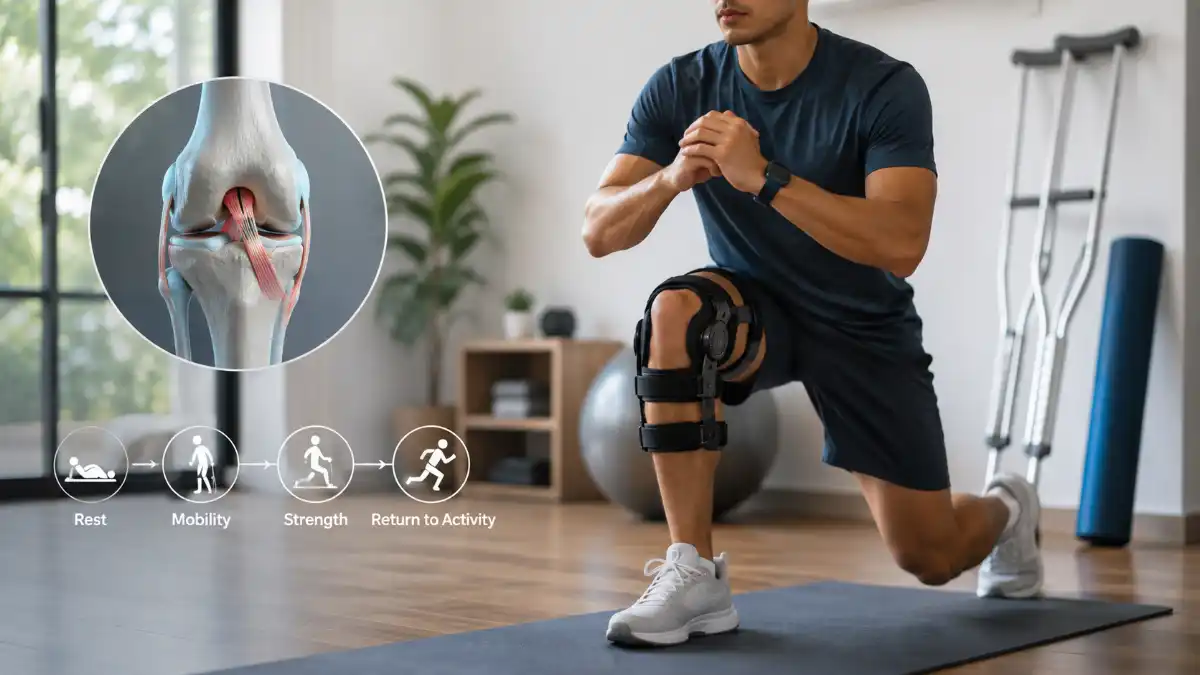
A practical progression may move from normal daily activities to light training, controlled strengthening, sport-specific movements, and then full activity when appropriate.
Sports involving repetitive gripping, wrist rotation, impact, or heavy loading may require additional rehabilitation before a full return.
What If TFCC Pain Is Not Getting Better?
If symptoms are not improving as expected, do not simply keep increasing exercises or returning to heavier activity.
Persistent symptoms may mean the wrist needs more time, the treatment plan needs adjustment, the injury is more significant than initially thought, or another wrist condition is contributing to the symptoms. Reassessment can help clarify the situation.
When Should You See a Doctor?
Consider professional evaluation if you have persistent little-finger-side wrist pain, difficulty rotating the wrist or forearm, significant grip weakness, repeated painful clicking or popping, swelling, reduced wrist movement, worsening symptoms, or pain that interferes with work, exercise, or daily activities.
After a major trauma, severe pain, obvious deformity, or major loss of hand function warrants prompt medical attention.
How Can You Reduce the Risk of Re-Injury?
Once symptoms improve, avoid making a sudden jump back to your previous workload.
Increase resistance gradually, maintain appropriate wrist and forearm strength, use good technique, warm up before demanding activities, take recovery breaks, and pay attention to recurring pain.
Frequently Asked Questions
What are the most common TFCC injury wrist symptoms?
Common symptoms include little-finger-side wrist pain, clicking or popping, weakness, reduced grip strength, and discomfort during forearm rotation.
How do I know if my wrist pain is a TFCC injury?
Symptoms may suggest a TFCC problem, but they cannot confirm the diagnosis. A healthcare professional can examine the wrist and determine whether further testing is appropriate.
What does a TFCC tear feel like?
It may feel like an ache or sharper pain on the little-finger side of the wrist, particularly during gripping or forearm rotation.
Where does a TFCC tear hurt?
Pain is commonly felt on the ulnar, or little-finger, side of the wrist.
Can a TFCC injury cause grip weakness?
Yes. Pain, weakness, or instability can make gripping uncomfortable or reduce how much force you can comfortably apply.
Can a TFCC injury cause clicking?
It can. Painful clicking or popping may occur with some TFCC injuries, although clicking can have other causes.
Can a TFCC tear heal without surgery?
Some TFCC injuries can improve with conservative management such as activity modification, bracing, and rehabilitation. More severe or persistent injuries may require surgery.
How long does a TFCC injury take to heal?
Recovery varies according to the type and severity of the injury and the treatment used. There is no single recovery period that applies to every TFCC injury.
Can I exercise with a TFCC injury?
You may be able to remain active with appropriate modifications, but exercises that increase or reproduce wrist pain may need to be avoided. A qualified professional can help determine an appropriate rehabilitation plan.
Is a TFCC tear serious?
A TFCC injury can range from a relatively minor problem to an injury causing significant pain, weakness, or instability. The seriousness depends on the specific injury and its effect on wrist function.